


Child Health and Diseases
The Department of Child Health and Diseases serves you with all the expertise, technology and equipment you need.
A Compassionate Approach to Healthcare with Over a Century of Expertise: Child Health and Diseases
Dear Patients and Relatives
Founded in 1898, our hospital has been proudly providing quality healthcare services to our community for over a century. During this time, we have developed a continuously evolving structure to provide the best possible care for your most valuable assets your children. Our paediatrics department, with our specialized doctors and state-of-the-art equipment, is dedicated to protecting and enhancing your child’s health with the highest level of care.
Our hospital aims to lead our community in the field of paediatric health. By continuously following advancements in medical technology and research, we strive to provide the best care for the health of our children. At the same time, by encouraging children to adopt healthy lifestyle habits and regularly undergo preventive health check-ups, we contribute to ensuring that our future, represented by our children, grows into healthy adults.
-
 Child Health and Diseases Services


Our Medical Team
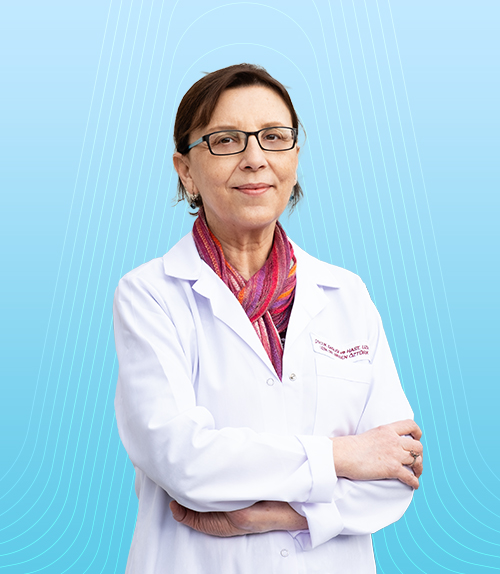
M. D. BİRSEN ÖZTÜRK, SPECIALIST
CHILD HEALTH AND DISEASES
Get detailed information about department of Child Health and Diseases
It has been prepared by the doctors of our hospital
Child Health and Diseases is a medical branch focused on preserving children’s health, diagnosing illnesses, and providing treatment from birth through adolescence. It addresses not only physical health but also the mental and emotional development of children.
What Does Child Health and Diseases Cover?
- Infant Care and Vaccinations: Neonatal care, growth and development tracking, and routine vaccinations.
- Infectious Diseases: Common illnesses in childhood, such as flu, middle ear infections, and throat infections.
- Chronic Conditions: Monitoring and managing long-term health issues like asthma, diabetes, and allergies.
- Development and Behavior: Tracking height, weight, and motor skills; addressing learning difficulties, attention deficits, and other developmental concerns.
Why is Child Health Important?
Healthy growth in children is possible through the early detection and timely treatment of illnesses. Regular visits to a child health specialist can help identify potential health problems early and prevent more significant issues later in life.
When Should You Consult a Child Health Specialist?
- Routine Check-ups: To monitor growth and development from birth onwards.
- Illness Symptoms: Such as high fever, diarrhea, vomiting, or persistent cough.
- Chronic Condition Management: Regular follow-ups for conditions like asthma, diabetes, or allergies.
- Developmental Concerns: Issues such as delayed speech, growth concerns, or weight-related problems.
Child health specialists are dedicated to supporting your child’s physical and emotional well-being. Regular check-ups are a vital step in ensuring a healthy and bright future for your child.
The Child Health and Diseases Department focuses on diagnosing and treating health issues in children from birth to adolescence. This specialty covers both acute (sudden) and chronic (long-term) conditions.
Conditions Treated by the Child Health and Diseases Department
- Infectious Diseases
-
- Common cold, flu, pharyngitis, bronchitis
- Middle ear infections
- Pneumonia
- Urinary tract infections
- Respiratory Diseases
-
- Asthma
- Allergic rhinitis (an allergic reaction of the nose and airways to pollen, dust, or pet dander)
- Bronchiolitis
- Digestive System Disorders
-
- Abdominal pain, gastrointestinal infections
- Constipation or diarrhea
- Gastroesophageal reflux disease (GERD)
- Growth and Development Issues
-
- Stunted growth or insufficient weight gain
- Early or delayed puberty
- Vitamin and mineral deficiencies
- Chronic Diseases
-
- Diabetes
- Thyroid disorders
- Obesity
- Skin Conditions
-
- Eczema
- Atopic dermatitis
- Fungal infections
- Blood and Immune System Disorders
-
- Anemia
- Weak immune system
- Allergic conditions
- Neurological Problems
-
- Epilepsy (seizures)
- Attention Deficit Hyperactivity Disorder (ADHD)
- Headaches and migraines
- Newborn Care and Related Issues
-
- Jaundice
- Feeding difficulties
- Monitoring congenital conditions
When to Visit the Child Health and Diseases Department
- High fever, fatigue, or irritability
- Persistent cough or difficulty breathing
- Poor appetite, weight loss, or delayed development
- Frequent or recurrent infections
The Child Health and Diseases Department provides all the medical support needed for children to grow and develop healthily. Regular health check-ups for your child are crucial for early diagnosis and treatment.
In the Child Health and Diseases Department, safe and effective diagnostic methods tailored to children’s age groups are used. The diagnostic process is guided by the symptoms of the illness and the child’s overall health status.
Diagnostic Methods
- Physical Examination:
-
- Assessing the child’s general condition
- Measuring height, weight, and head circumference
- Examining the heart, lungs, and abdomen
- Blood Tests:
-
- Used to detect signs of infection, anaemia, or immune system disorders
- Includes tests for blood sugar, liver, and kidney function
- Urine Tests:
-
- Helps diagnose urinary tract infections and kidney diseases
- Imaging Methods:
-
- X-rays: To detect lung infections and bone issues
- Ultrasound: To evaluate abdominal pain, gallbladder, and kidney conditions
- MRI and CT scans: For more detailed examinations when necessary
- Allergy Tests:
-
- Identifies allergens causing reactions through skin or blood tests
- Growth and Development Assessment:
-
- Comparing height and weight measurements to standard growth charts
- Evaluating motor and cognitive development with specialized tests
- Respiratory Function Tests:
-
- Used to diagnose asthma and other respiratory conditions
- Sensory Tests:
-
- Vision and hearing tests to detect learning difficulties or sensory issues early
- Neurological Evaluation:
-
- Diagnosing epilepsy, headaches, and other nervous system disorders using electroencephalography (EEG) or neurological examinations
The Importance of the Diagnostic Process
Accurate diagnosis is crucial for the effective treatment of illnesses. The Child Health and Diseases Department employs child-friendly diagnostic methods, considering both the physical and emotional needs of children.
Early diagnosis is the key to preserving your child’s health and preventing potential complications. Regular check-ups and guidance from a team of paediatric specialists ensure timely and precise diagnosis.
Child health aims to protect and treat children’s well-being from birth through adolescence. Treatment methods are tailored based on the child’s age, overall health condition, and the type of illness. Below are some common treatment approaches:
1. Preventive Health Services
- Vaccinations: Protect children from contagious diseases.
- Nutritional Counselling: Provide recommendations for balanced nutrition to support healthy growth and development.
2. Medical Treatments
- Medication: Prescribing age- and weight-appropriate doses of antibiotics, fever reducers, or pain relievers.
- Respiratory Support Treatments: Nebulizers or oxygen therapy for respiratory conditions like bronchitis or asthma.
3. Physical Therapy and Rehabilitation
- Physical therapy for congenital or acquired musculoskeletal issues.
4. Psychological Support
- Access to psychologists or child psychiatrists for behavioural or psychological concerns in children.
5. Surgical Interventions
- Surgeries performed by specialized surgeons when necessary (e.g., hernia or tonsillectomy).
Important Note:
Treatment plans for children must always be determined by a qualified physician. Regular health check-ups are vital for ensuring children’s healthy growth and development.
Health Library

