


Neurosurgery
The Neurosurgery department provides services with all the necessary expertise, technology and equipment.
In the trace of century long past: Neurosurgery
Get detailed information about Neurosurgery
Since the establishment of our hospital in 1898, we have strived to continuously, improve our healthcare services and make the highest contribution to society. Our Department of Neurosurgery has been one of the most significant and pioneering fields throughout our history of over a century.
With the experience and expertise gained over this time, we have become a reference point in the diagnosis and treatment of brain and neurological disorders.
Our team of specialized neurosurgeons closely follows the latest developments in the medical field, aiming to offer our patients the most modern treatment options. By using technology, we optimise our diagnosis and treatment processes and apply the most reliable and effective methods in surgeries.
-
 Neurosurgery Services


Our Doctors
Get detailed information about Neurosurgery
It has been prepared by the doctors of our hospital
Neurosurgery is a surgical medical speciality focusing on the brain, spinal cord, nervous system and related structures. Treatment of herniated disc and cervical disc hernia, brain tumours, head trauma, spinal tumours, carpal tunnel, nerve compression, and pain management are among the conditions treated in neurosurgery.
Each procedure or surgery is performed for the purpose of diagnosing, treating or curing a specific medical condition. You can get more information from any health care provider.
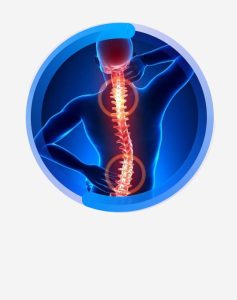
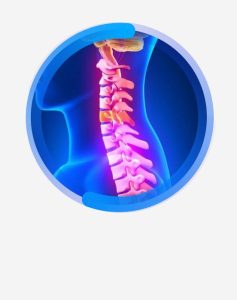
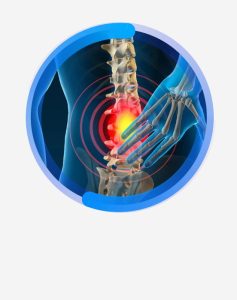
Herniated Disc and Cervical Disc Hernia: There are cartilage pads, known as intervertebral disc, that form the joints between the vertebrae in the waist and neck. We refer to the condition as a herniated disc in the waist or neck when the disc exerts pressure on the spinal cord and nerves by protruding backward from its original position. The formation of this hernia is primarily due to prolonged poor posture or sudden and strenuous movements of the waist or neck.
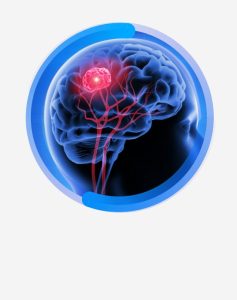
Brain Tumours: We call the growth of abnormal cells that occur in the replication during the renewal of brain cells and become a mass a brain tumour. Brain Tumours, which can occur at any age, cause increased pressure inside the skull. This pressure prevents the brain from fully performing its functions, causing patients to exhibit various symptoms. In particular, severe and long-standing headache is one of the most important symptoms.
Head Trauma: It is an injury to the skull or brain that occurs as a result of a blow to the head after traumas such as accidents, falls, bumps, collisions, physical attacks, traffic accidents. It is a condition in which the brain, protected within the skull, is damaged as a result of trauma, leading to muscle, skeletal, and nervous system problems.
Spinal Tumours: It is difficult to diagnose. Unfortunately, in some conditions, the diagnosis is made late. One of the first symptoms is usually pain. Approach to painful conditions along the spine should be conducted with caution and the pain characteristics should be thoroughly evaluated in the differential diagnosis.
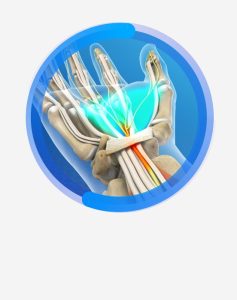
Carpal Tunnel: It occurs when the nerve that provides the movement and sensation of our fingers is compressed at the wrist level. Primarily, it begins with numbness and tingling in the thumb, index finger, and middle finger. Subsequently, a burning pain in the hand and wrist develops, along with a loss of strength and weakness throughout the entire hand.
Nerve compression: It is the pressure applied to the nerves in the brain that restricts their ability to move. It is also known as a nerve trap syndrome. This condition, which seriously affects the quality of life, is diagnosed by neurosurgery.
It diagnoses and treats diseases of the brain and nervous system. The neurosurgeons in this department take various steps to assess the patients’ health condition and develop appropriate treatment plans.
Radiological Imaging Tests: Neurosurgeons may use radiological tests to examine the patient’s brain and nervous system structure in greater detail. These tests are divided into many different categories. For example, it may include methods such a magnetic resonance imaging (MRI), computed tomography (CT), and angiography.
Laboratory Tests: In some cases, the patient’s blood or other biological samples may be examined for laboratory tests. These tests can be used, for example, to evaluate tumour markers or detect infections.
EMG (Electromyography): It is a diagnostic method used to identify and confirm diseases affecting peripheral nerves, determine the severity of functional disorders or structural damage in the nerves, and evaluate the progress and effectiveness of the treatment applied.
Surgeries: Neurosurgery is a broad field that includes a wide range of diseases and conditions. Since each patient’s condition is unique, treatment plans are individualized, and a multidisciplinary approach is used or ensure the best outcomes for patients.
Brain and Spinal Cord Tumours: It can present with symptoms such as headaches, paralysis, nausea, and vomiting. Depending on the type and location of the tumour, surgical intervention may be necessary. The goal is to completely remove the tumour using techniques such as awake brain surgery.
Brain Aneurysms: Aneurysms, which are balloonings in the blood vessels of the brain, can cause brain haemorrhage when they burst. Treatment options include surgical intervention, endovascular treatment, and medical approaches.
Brain haemorrhages: These are situations requiring urgent intervention. Intervention within the first 12 hours is vital. It is treated with a multidisciplinary approach in which emergency service, neurology, radiology and neurosurgery specialists work together.
Head Traumas: Head Traumas can occur as a result of a blow or impact. Serious trauma can cause damage to brain tissue. Timely intervention is important to prevent permanent damage.
Spine and Spinal Cord Traumas: It can have very serious consequences. Spinal injuries can lead to permanent effects such as paralysis. Fast and correct intervention is important.
Peripheral Nerve Surgery: Conditions such as nerve injuries and syndromes are treated using microsurgical techniques.
Congenital Nervous System Anomalies: The surgical treatment of nervous system anomalies caused by developmental disorders in the womb is possible.
Herniated Disc and Cervical Disc Hernia: Herniated disc and cervical disc hernia surgeries are performed using microsurgical techniques.
Spinal Stenosis- Degeneration in the lower back and neck: Conditions that cause narrowing of the spinal cord and nerves are treated through surgical methods.
Neurosurgery is a broad field that includes a wide range of diseases and conditions. Since each patient’s condition is unique, treatment plans are individualized, and a multidisciplinary approach is used or ensure the best outcomes for patients.
Brain and Spinal Cord Tumours: It can present with symptoms such as headaches, paralysis, nausea, and vomiting. Depending on the type and location of the tumour, surgical intervention may be necessary. The goal is to completely remove the tumour using techniques such as awake brain surgery.
Brain Aneurysms: Aneurysms, which are balloonings in the blood vessels of the brain, can cause brain haemorrhage when they burst. Treatment options include surgical intervention, endovascular treatment, and medical approaches.
Brain haemorrhages: These are situations requiring urgent intervention. Intervention within the first 12 hours is vital. It is treated with a multidisciplinary approach in which emergency service, neurology, radiology and neurosurgery specialists work together.
Head Traumas: Head Traumas can occur as a result of a blow or impact. Serious trauma can cause damage to brain tissue. Timely intervention is important to prevent permanent damage.
Spine and Spinal Cord Traumas: It can have very serious consequences. Spinal injuries can lead to permanent effects such as paralysis. Fast and correct intervention is important.
Peripheral Nerve Surgery: Conditions such as nerve injuries and syndromes are treated using microsurgical techniques.
Congenital Nervous System Anomalies: The surgical treatment of nervous system anomalies caused by developmental disorders in the womb is possible.
Herniated Disc and Cervical Disc Hernia: Herniated disc and cervical disc hernia surgeries are performed using microsurgical techniques.
Spinal Stenosis- Degeneration in the lower back and neck: Conditions that cause narrowing of the spinal cord and nerves are treated through surgical methods.
Health Library

