


Chest and Allergic Diseases
The Department of Chest Diseases and Allergic Diseases provides services with experienced doctors with all the necessary expertise, technology and equipment.
Breathing new life into your health with over a century of heritage: Chest Diseases and Allergic Diseases Department
Dear Patient their Relatives;
Founded in 1898, our hospital has been providing reliable and high-quality healthcare services to the community for a long year, building on the solid foundations of our history. Our Chest Diseases and Allergic Diseases Department, with more than a century of experience and expertise, is dedicated to protecting and improving your respiratory health.
In our Chest and Allergic Diseases Department, diseases are diagnosed and treated using advanced diagnostic and therapeutic methods. We diagnose your conditions through methods such as lung function tests, radiological examinations, and bronchoscopy. In this way, we focus on your healing process by creating the most suitable treatment plan for you.
-
 Chest Diseases and Allergic Diseases
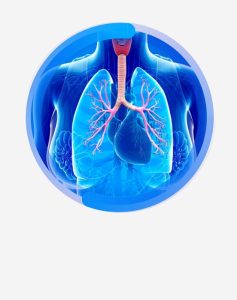

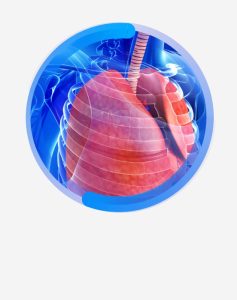


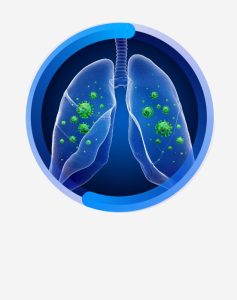


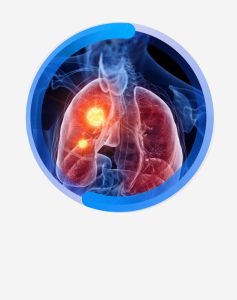

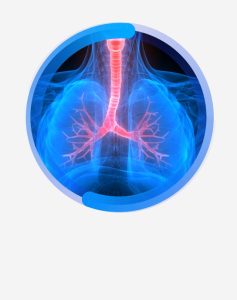
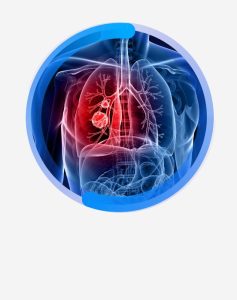
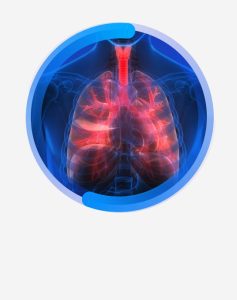




Get detailed information about department of Chest Diseases and Allergic Diseases Department
It has been prepared by the doctors of our hospital.
Chest diseases encompass various health issues affecting the respiratory system and lungs. These conditions may arise due to inflammation of the airways, involvement of lung tissue, or impairment of respiratory system functions.
- Acute bronchitis
- Chronic bronchitis
- COPD (Chronic Obstructive Pulmonary Disease)
- Lung cancer
- Interstitial lung diseases
- Bronchiectasis
- Pleural diseases
- Mediastinal diseases
- Asthma
- Pneumonia
- Respiratory failure
- Hypersensitivity pneumonitis
- Pulmonary thromboembolism
- Chest X-rays
- Computed Tomography (CT) of the lungs
- PET CT
- Sputum tests (Culture, cytology)
- Bronchoscopy
- Pleural fluid analysis (Biochemical, microbiological, cytological)
- Pulmonary function tests
Blood gas analysis Every condition has its own treatment methods, which may include prevention, medication, and surgical treatments.
Acute Respiratory Distress Syndrome (ARDS) is a life-threatening condition that occurs when the lungs become severely damaged, making breathing difficult. In ARDS, the lungs cannot take in enough oxygen, putting the body’s organs at risk of oxygen deprivation. This condition often develops due to severe infections, pneumonia, trauma, or other critical illnesses requiring intensive care.
Causes
Several factors can contribute to the development of ARDS, including:
- Pneumonia: Infection in the lungs.
- Sepsis: A severe infection that enters the bloodstream.
- Severe trauma: Major accidents, burns, or chest injuries.
- COVID-19 and other viral infections: Severe infections affecting the lungs.
- Inhalation of smoke or toxic chemicals: Exposure to harmful substances that irritate lung tissue.
- Drowning or aspiration of fluids into the lungs: This can interfere with lung function.
Symptoms
ARDS symptoms usually develop rapidly and may include:
- Shortness of breath: Sudden and progressively worsening difficulty in breathing.
- Rapid and shallow breathing: The body tries to compensate for the lack of oxygen.
- Bluish lips or fingertips: A sign of oxygen deficiency.
- Low blood pressure and fatigue: Occurs when the body is not receiving enough oxygen.
- Loss of consciousness: Can happen in severe cases of oxygen deprivation.
Diagnosis
Doctors use several tests to diagnose ARDS, including:
- Chest X-ray: Identifies fluid buildup in the lungs.
- Blood tests: Measures oxygen levels in the blood.
- Computed Tomography (CT) scan: Provides detailed images of the lungs.
- Oxygen measurement (Pulse oximetry): Determines oxygen saturation in the blood.
Treatment
ARDS treatment is typically provided in the intensive care unit (ICU). Treatment options include:
- Oxygen therapy: Ensures the patient receives adequate oxygen.
- Mechanical ventilation: A ventilator helps the lungs function.
- Fluid management: Maintains the body’s fluid balance and reduces lung strain.
- Medications: Antibiotics to treat infections and corticosteroids to reduce inflammation.
- Positioning therapy: Specific body positioning may improve lung oxygenation.
Prevention
To reduce the risk of ARDS, consider the following precautions:
- Avoid smoking and exposure to harmful chemicals.
- Maintain a strong immune system with a healthy diet.
- Get vaccinated against pneumonia and influenza.
- Follow proper hygiene to prevent respiratory infections.
- Seek early treatment for conditions that may lead to intensive care.
Conclusion
ARDS is a severe lung condition requiring immediate medical intervention. Early diagnosis and appropriate treatment improve survival and recovery chances. However, some patients may experience long-term breathing difficulties. Adopting a healthy lifestyle and avoiding risk factors can help prevent this serious condition.
Interstitial Lung Disease (ILD) refers to a group of conditions that cause inflammation and scarring (fibrosis) of lung tissue, making breathing difficult. When the tiny air sacs (alveoli) and surrounding lung tissue become damaged, the lungs struggle to take in oxygen, leading to reduced oxygen supply to the body.
Causes
The exact cause of ILD is not always known, but several factors may contribute to its development:
- Smoking: Can damage lung tissue and trigger the disease.
- Long-term exposure to harmful dust and gases: More common in miners, farmers, and construction workers.
- Autoimmune diseases: Conditions like rheumatoid arthritis and scleroderma can affect the lungs.
- Certain medications: Chemotherapy drugs, some antibiotics, and rheumatologic medications may harm the lungs.
- Genetic predisposition: A family history of ILD may increase the risk.
Symptoms
ILD symptoms typically develop gradually and worsen over time:
- Shortness of breath (especially with physical activity)
- Persistent dry cough
- Fatigue and weakness
- Chest pain or tightness
- Swelling and discoloration of fingertips (clubbing)
Diagnosis
Doctors use various tests to diagnose ILD, including:
- Chest X-ray: Provides an overview of lung structure.
- Computed Tomography (CT) scan: Offers detailed images of lung damage.
- Pulmonary function tests: Measure lung capacity and function.
- Blood tests: Detect signs of inflammation.
- Lung biopsy: A small sample of lung tissue may be taken for definitive diagnosis.
Treatment Options
While there is no definitive cure for ILD, several treatments can slow disease progression and relieve symptoms:
- Medications: Corticosteroids and immunosuppressive drugs may help reduce inflammation.
- Oxygen therapy: Helps maintain oxygen levels and ease breathing.
- Pulmonary rehabilitation: Includes breathing exercises to strengthen respiratory muscles.
- Lung transplant: Considered in severe, advanced cases.
Prevention and Management
To prevent ILD or slow its progression, consider these precautions:
- Avoid smoking and exposure to secondhand smoke.
- Minimize exposure to harmful dust and chemicals; wear protective masks when necessary.
- Maintain a strong immune system through a healthy diet and regular exercise.
- Get vaccinated for flu and pneumonia.
- Practice good hygiene to prevent respiratory infections.
Conclusion
Interstitial Lung Disease is a progressive condition that, if left untreated, can lead to respiratory failure. However, early diagnosis and proper treatment can slow the disease and improve quality of life. If you experience persistent shortness of breath or chronic cough, it is essential to consult a pulmonologist for evaluation and early intervention.
Health Library