


Medical Aesthetics
The Medical Aesthetics Department provides you with services, equipped with all the necessary expertise, technology, and equipment.
Over a century of experience: Medical Aesthetic Department
Dear Patient and their Relatives;
With the strength and experience gained from our history, our hospital, established in 1898, has made it its mission to provide the best healthcare services to our community. Our Medical Aesthetics Department, with our expert team and modern technologies, has become a trusted destination for our valued patients’ medical aesthetics experience.
Our specialists in the Medical Aesthetics Department work diligently to understand your needs and customize aesthetic plans to suit your specific requirements. Our aim is to improve our patients’ quality of life, help them achieve their desired appearance, and support them in regaining their daily motivation.
-
 Medical Aesthetic Services





Our Doctors and Specialists

M. D. HASAN KÖMÜRCÜ
Plastic, Aesthetic, and Reconstructive Surgery
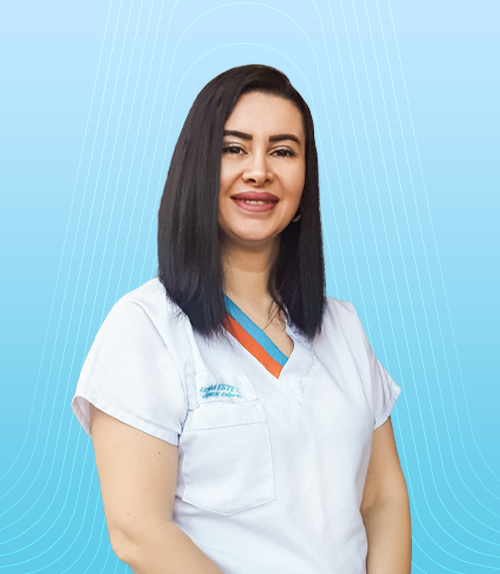
Aesthetician Özgen DİŞPENÇE
Specialist
Get detailed information about the Medical Aesthetics Department
It has been prepared by the doctors of our hospital.
Laser hair removal is a method that permanently or long-term reduces unwanted hair. The laser light targets the hair follicles, converting it into heat energy to prevent the hair from regrowing.
How Does It Work?
The laser device targets melanin pigment to generate heat, which damages the hair follicles. Since the procedure only works on hair in the active growth phase, multiple sessions may be necessary.
Advantages
- Quick and Effective: Can be applied to large areas, delivering long-lasting results.
- Comfortable: Minimal pain involved.
- Skin-Friendly: Does not harm surrounding tissues.
Application Areas
- Face (upper lip, chin)
- Underarms
- Legs
- Bikini area
- Back and shoulders
Laser Types
- Diode Laser: Effective for darker skin tones.
- Alexandrite Laser: Suitable for lighter skin tones.
- Nd:YAG Laser: Ideal for darker skin tones.
- Ruby Laser: Works well on fine and dark-coloured hair.
Possible Side Effects
- Mild Redness and Swelling: Typically resolves quickly.
- Pigment Changes: Rarely, skin tone may alter slightly.
- Burn Risk: May occur with incorrect application.
Before and After the Procedure
Before:
- Shave the area a few days before treatment.
- Avoid sun exposure.
After:
- Avoid the sun and use sunscreen.
- Any skin sensitivity should subside quickly.
Conclusion
Laser hair removal is safe and offers long-lasting results. When performed by experienced professionals, it delivers optimal outcomes.
Lymphatic drainage is a massage or therapy technique that enhances the flow of lymphatic fluid, helping to eliminate toxins and excess fluid from the body. This method supports the immune system, reduces swelling, and improves overall health.
Benefits
- Reduces Swelling: Minimizes puffiness and prevents fluid buildup.
- Eliminates Toxins: Assists in flushing harmful substances from the body.
- Boosts Immunity: Speeds up lymph flow, providing protection against infections.
- Improves Skin Health: Enhances circulation, which may reduce the appearance of cellulite.
- Relieves Muscle and Joint Discomfort: Alleviates pain and accelerates post-exercise recovery.
Application Methods
- Manual Lymphatic Drainage (MLD): A gentle, hands-on technique using light massage movements.
- Electronic Devices: Use of pressurized air or vibrations to stimulate lymphatic flow.
- Combined Therapies: Incorporation of hot-cold treatments or hydrotherapy to enhance results.
Who is it Suitable For?
- Those With Swelling and Fluid Retention Issues: Individuals with connective tissue weakness or post-surgical swelling.
- Athletes: People seeking faster muscle recovery.
- Individuals With Cellulite: Those looking to improve skin appearance.
- Patients With Lymphedema: People experiencing impaired lymphatic flow.
Precautions
- Active Infections: Should not be performed on infected areas.
- Serious Health Conditions: Individuals with heart failure or bleeding disorders should consult a doctor.
Conclusion
Lymphatic drainage offers a variety of benefits, including reduced swelling, a stronger immune system, and improved skin health. When performed under proper conditions, it is an effective and safe technique.
Classic skin care is a method that involves basic cleansing, moisturizing, and maintenance procedures to maintain and enhance skin health. The foundation of skin care lies in keeping the skin balanced through regular application of cleansing, moisturizing, and nourishing products suited to the skin’s needs. Classic skin care is often tailored to the individual’s skin type and current requirements.
Stages of Classic Skin Care
- Cleansing:
- Cleansing is the first and most essential step. This process removes dirt, oil, makeup residue, and other external factors from the skin.
- A cleanser suitable for the skin type (liquid, gel, or lotion) is used to gently purify the skin.
- Regular cleansing prevents clogged pores and stops oil and dirt from building up.
- Exfoliation (Removing Dead Skin Cells):
- Exfoliation removes dead cells from the skin’s surface, leaving it brighter and healthier-looking.
- It can be done mechanically (with brushes or exfoliating products) or chemically (using acidic products). Regular exfoliation helps the skin renew itself and improves texture.
- Toning:
- Toners help maintain the skin’s pH balance and soothe the skin after cleansing.
- They also tighten the pores and remove any remaining impurities.
- Alcohol-free toners preserve the skin’s moisture balance and prevent dryness.
- Moisturizing:
- Moisturizing restores the water and nutrients the skin needs, strengthening its barrier. Moisturizers are chosen based on skin type (formulas differ for oily, dry, or combination skin).
- They nourish, soften, and protect the skin from external factors. This step is especially important for dry skin.
- Eye Care:
- The skin around the eyes is the most delicate and requires specialized eye creams or gels. Eye care products help reduce the appearance of fine lines, puffiness, and dark circles.
- These products are typically lightweight and should be applied gently.
- Mask Application:
- Applied once a week or as needed, masks deeply cleanse, nourish, and provide essential nutrients to the skin.
- Masks are selected according to skin type. For instance, hydration masks are suitable for dry skin, while clay masks are more beneficial for oily skin.
- Sun Protection (SPF):
- Sun exposure accelerates skin aging, causes pigmentation, and increases the risk of skin cancer. Thus, it’s crucial to use sunscreen daily as the final step in skin care.
- Sunscreens shield the skin from harmful UV rays and support long-term skin health.
Benefits of Classic Skin Care
- Preserving Skin Health:
- Regular skin care helps maintain a healthy complexion and mitigates the negative effects of external factors (sun, pollution, dirt).
- Improving Skin Texture:
- Clean and hydrated skin looks softer, smoother, and more radiant. Exfoliation and masks promote skin renewal.
- Preventing Skin Problems:
- Consistent care helps prevent issues like acne, blemishes, and blackheads. Cleansing and toning keep pores clear.
- Maintaining Youthful Skin:
- Moisturizers and anti-aging products can diminish fine lines, wrinkles, and other signs of aging.
Who is Classic Skin Care Suitable For?
- All Skin Types: Classic skin care can be adapted for dry, oily, combination, and sensitive skin. Choosing the right products for the skin type enhances its effectiveness.
- Both Young and Mature Individuals: Skin care is vital for every age group. For younger people, it can help prevent acne and other issues. For older individuals, it offers protection against aging.
Conclusion
Classic skin care is a simple yet effective approach to maintaining skin health and beauty. Comprising steps like cleansing, moisturizing, exfoliation, toning, and masking, it yields a healthy glow, softness, and a youthful appearance when practiced regularly. Customizing skin care routines to individual needs ensures optimal results for all skin types.
Aqua peeling is a modern skin care treatment that gently removes dead skin cells, dirt, excess oil, and other impurities from the skin. This method uses water, oxygen, and specially formulated acidic solutions to leave the skin cleaner, more radiant, and healthier.
Aqua Peeling Procedure Steps:
- Skin Cleansing:
- Before starting aqua peeling, the skin is thoroughly cleansed of makeup and impurities to ensure no residue interferes with the treatment’s effectiveness.
- Peeling Application:
- Aqua peeling involves applying a water-based solution to the skin’s surface. This solution gently removes dead cells and impurities, rejuvenating the skin and giving it a fresh appearance.
- Mild acidic solutions help dissolve debris and excess oil on the skin’s surface, which is then removed with specialized devices.
- Deep Cleansing:
- Aqua peeling devices penetrate deep into the skin’s pores, removing built-up dirt, sebum (oil), and dead cells. This process promotes skin renewal and leaves the skin smoother.
- Skin Renewal and Hydration:
- After aqua peeling, the skin is renewed and hydrated. Moisturizing and nourishing products are applied to enhance the skin’s refreshed and healthy appearance.
- Additional masks or serums tailored to the skin’s needs may be used to maximize the treatment’s benefits.
- Results and Effects:
- Aqua peeling helps even out skin tone, resulting in a brighter, healthier look.
- The skin gains a smoother, more refreshed texture and can help prevent issues like acne and blackheads.
Benefits of Aqua Peeling:
- Deep Cleansing:
- Removes impurities, dead skin cells, and excess oil, giving the skin a cleaner and fresher appearance.
- Skin Renewal:
- Exfoliates the top layer of dead skin cells, promoting healthier, more youthful-looking skin.
- Smoother Skin Surface:
- Reduces roughness, fine lines, and signs of aging, leaving the skin’s surface smoother.
- Acne and Blackhead Prevention:
- Clears pore blockages, reducing the risk of acne and blackhead formation.
- Hydration:
- Hydrates the skin while cleansing, maintaining its moisture balance and preventing dryness.
- Even Skin Tone:
- Improves skin tone, reduces discoloration, and enhances overall radiance.
- Painless and Comfortable Procedure:
- A gentle, pain-free process that doesn’t cause redness or irritation. Patients can immediately return to their daily routine after the treatment.
Who Can Benefit from Aqua Peeling?
- Oily and Combination Skin: Ideal for individuals dealing with excess oil and blackheads.
- Dry Skin: Helps restore moisture balance and revitalizes skin texture.
- Acne and Blemish-Prone Skin: Can reduce and prevent acne, improving the skin’s overall condition.
- Fine Lines and Aging Signs: Diminishes the appearance of fine lines and early signs of aging.
- Blackheads and Pore Issues: Deeply cleanses and tightens pores for a smoother look.
How Soon Can You See Results from Aqua Peeling?
The effects of aqua peeling are often noticeable right after the first session. The skin appears smoother, cleaner, and more radiant. For long-lasting benefits, regular treatments are recommended.
Conclusion:
Aqua peeling is an innovative skin care solution that improves skin health and appearance. Its deep cleansing, hydrating, and rejuvenating effects make it a reliable choice for achieving healthy, refreshed, and glowing skin. As a painless and effective option, aqua peeling is an excellent alternative for those seeking a modern approach to skin care.
Oxygen therapy involves delivering additional oxygen to the body to treat various health conditions. Often used to address respiratory problems or low oxygen levels, oxygen therapy is also applied in the field of skincare. In aesthetic treatments, oxygen therapy promotes skin rejuvenation and vitality.
Oxygen Therapy Skincare Process:
- Cleansing:
- Before starting oxygen therapy, the skin is thoroughly cleansed of makeup and impurities, preparing it for the treatment.
- Oxygen Application:
- Specialized devices direct pure oxygen onto the skin. The oxygen penetrates deeply, energizing skin cells and revitalizing the skin.
- Mask or Serum Application:
- Alongside oxygen therapy, skincare masks or serums may be used. These products hydrate and nourish the skin, complementing the benefits of oxygen therapy.
- Results and Skin Renewal:
- After oxygen therapy, the skin appears smoother, fresher, and more radiant. Delivering oxygen to the cells fosters skin rejuvenation and a youthful glow.
Benefits of Oxygen Therapy Skincare:
- Skin Rejuvenation and Renewal:
- Oxygen therapy helps skin cells receive oxygen, accelerating renewal and imparting a fresh, youthful, and healthy appearance.
- Maintains Skin’s Moisture Balance:
- By preventing dryness, oxygen therapy supports the skin’s natural moisture levels and elasticity, resulting in a smoother texture.
- Reduces Signs of Aging:
- Oxygen diminishes fine lines, wrinkles, and other aging indicators. It is an effective anti-aging skincare solution.
- Treats Acne and Blemishes:
- Oxygen therapy can help eliminate acne-causing bacteria, accelerating the healing process and reducing breakouts.
- Evens Skin Tone:
- It addresses uneven skin tone, leaving the skin brighter, more vibrant, and with a balanced complexion.
- Tightens Pores:
- The treatment cleanses and tightens pores, giving the skin a more refined and youthful appearance.
- Improves Blood Circulation:
- By enhancing blood flow to the skin, oxygen therapy ensures that skin cells receive adequate oxygen, speeding up regeneration and promoting healthier skin.
Who Can Benefit from Oxygen Therapy Skin Care?
- Aging Skin: Helps reduce the appearance of fine lines, wrinkles, and loss of elasticity.
- Acne-Prone Skin: Aids in clearing inflammation and supporting the healing process.
- Dry Skin: Hydrates and restores moisture levels.
- Dull or Tired Skin: Provides a fresh, radiant appearance.
- Large Pores: Tightens pores for a more refined texture.
How Soon Can Results Be Seen?
Oxygen therapy often delivers immediate results. After just one session, the skin looks fresher, more radiant, and vibrant. For sustained benefits, regular treatments are recommended. Over time, as the skin continues to absorb oxygen, it appears healthier and more youthful.
Conclusion:
Oxygen therapy skincare enhances skin health by increasing oxygen levels, stimulating cellular regeneration, and improving overall appearance. It effectively addresses signs of aging, acne, dryness, and other skin issues. By maintaining moisture balance and tightening pores, this treatment offers a comprehensive approach to achieving healthy, revitalized skin.
Botox is a treatment method that contains botulinum toxin, produced by the bacterium Clostridium botulinum. By blocking the release of the neurotransmitter acetylcholine at nerve endings, Botox temporarily relaxes muscles. It is used for various aesthetic and medical purposes, effectively addressing issues ranging from wrinkle reduction to muscle spasms.
Botox Applications
- Aesthetic Uses:
- Facial Wrinkles: Botox is used to temporarily reduce wrinkles on the forehead, between the eyebrows, crow’s feet, and smile lines.
- Facial Contouring and Muscles: It can help reduce asymmetry caused by overactive jaw muscles and ease tension in the jaw area.
- Drooping Eyelids (Ptosis): By relaxing specific muscles, Botox can help prevent eyelid drooping.
- Excessive Sweating (Hyperhidrosis): Botox can treat excessive sweating in the underarms, hands, and feet by temporarily inhibiting sweat glands.
- Medical Uses:
- Migraine Treatment: Botox may reduce the frequency of migraine attacks when injected into muscles in the head and neck.
- Muscle Spasms: For conditions such as cerebral palsy and stroke-related spasticity, Botox helps relax overactive muscles.
- Bruxism (Teeth Grinding): Injecting Botox into jaw muscles can alleviate teeth grinding and associated discomfort.
- Overactive Bladder (Bladder Dysfunction): Botox injections can reduce bladder muscle contractions, improving symptoms of incontinence.
The Botox Procedure Botox application is typically quick and minimally invasive.
- Evaluation and Planning: The specialist identifies treatment areas and determines the appropriate dosage.
- Injection: Botox is administered into targeted muscles using fine needles.
- Results: Effects usually become noticeable within 3-7 days, with full results appearing in about two weeks. The benefits generally last for 3-6 months.
Potential Side Effects While Botox treatments are generally safe, some side effects may occur:
- Temporary Bruising or Swelling: Mild bruising, swelling, or tenderness at the injection site.
- Temporary Muscle Weakness: Improper administration can cause weakness or unintended muscle movement.
- Eyelid Droop (Ptosis): Rarely occurs with injections near the eyes.
- Headache: Some patients report mild headaches after treatment.
Precautions and Considerations
- Choose a Qualified Specialist: Always have Botox administered by a trained and experienced professional to ensure safe and effective results.
- Avoid Intense Activity and Heat: Refrain from strenuous exercise and exposure to high temperatures immediately after treatment.
- Pregnancy and Breastfeeding: Botox is generally not recommended during pregnancy or while breastfeeding.
- Allergies: In rare cases, allergic reactions can occur, so contact your specialist if you notice unusual symptoms.
Conclusion Botox is a versatile treatment used for both aesthetic enhancements and medical conditions. Its ability to reduce facial wrinkles, treat muscle spasms, and address other issues has made it a popular choice in both cosmetic and therapeutic fields.
Dermal fillers are substances injected beneath the skin to correct facial contours, reduce wrinkles, restore volume, or enhance lips. By being placed under the skin, fillers help smooth deep lines, fine lines, and areas of volume loss. Most fillers are composed of materials such as hyaluronic acid, calcium hydroxyapatite, or polylactic acid. Filler procedures are generally considered minimally invasive and non-surgical.
Applications of Dermal Fillers
- Wrinkles and Fine Lines:
- Forehead Lines: Reducing deep wrinkles and lines in the forehead.
- Frown Lines: Smoothing the lines between the eyebrows.
- Crow’s Feet: Diminishing fine lines and wrinkles around the eyes.
- Nasolabial Folds: Softening the deep lines extending from the sides of the nose to the corners of the mouth.
- Volume Loss:
- Cheek Fillers: Restoring volume to the cheekbones affected by aging.
- Chin and Jawline Contouring: Enhancing jawline definition and restoring fullness in the cheeks.
- Lip Augmentation:
- Enhancing lip fullness, correcting asymmetry, and addressing age-related volume loss.
- Skin Texture Improvement:
- Treating fine lines and irregularities to achieve smoother, more youthful-looking skin.
- Non-Surgical Nose Reshaping (Non-Surgical Rhinoplasty):
- Temporarily correcting nose shape by lifting the tip or filling in depressions without surgery.
Procedure Overview
Dermal filler procedures are straightforward and quick:
- Assessment and Planning: The physician evaluates facial features and determines the appropriate filler type and placement.
- Injection: A fine needle or cannula is used to inject the filler into targeted areas. Topical anaesthetics can be applied to reduce discomfort.
- Results: Effects are often visible immediately and continue to improve over the following days. Longevity varies from 6-18 months depending on the filler type and treatment area.
Types of Dermal Fillers
- Hyaluronic Acid Fillers:
- The most commonly used fillers, well-tolerated due to hyaluronic acid’s natural presence in the body. They can address wrinkles, add volume, and enhance lips.
- Calcium Hydroxyapatite Fillers:
- Calcium-based fillers that often provide longer-lasting results. Suitable for deeper wrinkles and significant volume loss.
- Polylactic Acid Fillers:
- Stimulates collagen production under the skin, offering gradual and lasting results. Full effects emerge over several weeks.
Potential Side Effects
Dermal filler treatments are generally safe, but minor side effects can occur:
- Temporary Swelling or Bruising: Mild swelling or bruising at the injection site.
- Pain or Tenderness: Slight discomfort or sensitivity in the treated area.
- Infection Risk: Although rare, infection at the injection site is possible.
- Asymmetry or Unnatural Appearance: Incorrect placement can lead to uneven or unnatural-looking results.
Important Considerations
- Choose a Qualified Practitioner: Experienced professionals are essential to ensure proper technique and natural-looking results.
- Pregnancy and Breastfeeding: Fillers are not recommended during pregnancy or breastfeeding.
- Allergic Reactions: Although uncommon, it’s crucial to discuss any allergies with the physician.
- Avoid Intense Activities and Heat: Refrain from heavy exercise or heat exposure for a few days after the procedure.
Conclusion
Dermal fillers offer an effective way to enhance facial contours and achieve a more youthful appearance. From smoothing wrinkles to restoring volume, they address a wide range of aesthetic concerns. For successful and satisfying outcomes, it is crucial that the procedure be performed by a skilled and knowledgeable professional.
Mesotherapy involves injecting a combination of vitamins, minerals, amino acids, enzymes, and hyaluronic acid into the skin using fine needles. This treatment method is employed to rejuvenate the skin, reduce signs of aging, and improve overall skin appearance. When applied to the face and neck, it effectively addresses aging symptoms such as fine lines, wrinkles, loss of skin elasticity, pigmentation issues, and sagging.
Applications of Mesotherapy
- Facial Skin Rejuvenation:
- Wrinkles and Lines: Mesotherapy helps reduce fine wrinkles and visible signs of aging.
- Improving Skin Elasticity: It treats sagging and loss of elasticity, resulting in firmer, more youthful skin.
- Brightening and Even Skin Tone: By evening out skin tone, mesotherapy provides a brighter, smoother appearance and can address pigmentation disorders.
- Moisturizing: It includes hydrating substances to restore moisture balance and improve dry skin.
- Neck and Décolletage Area:
- The neck and décolletage are prone to aging, sagging, and increased wrinkling. Mesotherapy can help improve fine lines and sagging in these areas.
- It enhances skin elasticity in the neck, resulting in a firmer look.
- It also corrects skin discoloration and pigmentation issues in the neck area.
- Skin Rejuvenation and Renewal:
- Mesotherapy nourishes, repairs, and renews skin cells with its blend of vitamins and minerals.
- By boosting blood circulation under the skin, it promotes a more vibrant and refreshed appearance.
- Hair Loss Treatment:
- Mesotherapy is also used to address hair loss. It can strengthen hair follicles and reduce shedding, especially in conditions like androgenetic alopecia (genetic hair loss), through scalp applications.
Procedure Steps
Mesotherapy treatments generally follow these steps:
- Evaluation and Planning: A specialist assesses your skin type and concerns to plan the most suitable treatment, including the substances and target areas.
- Preparation: A numbing cream may be applied to minimize discomfort during the procedure.
- Injection: Mesotherapy solutions are injected into the skin using fine needles. The treatment typically lasts 15-30 minutes, depending on the size of the area and the techniques used.
- Results: Improvements are often noticeable within a few days. Skin appears brighter, softer, and more uniform in colour. Results usually peak within 1-2 weeks.
Side Effects of Mesotherapy
While generally safe, mesotherapy may have some temporary side effects:
- Temporary Swelling and Bruising: The treated area may swell or bruise for a few days.
- Pain and Sensitivity: Mild pain, stinging, or sensitivity may occur at the injection sites.
- Risk of Infection: Although rare, infections can occur at the injection sites.
- Allergic Reactions: Some individuals may experience allergic reactions to the injected substances. If this occurs, treatment should be stopped, and a specialist consulted immediately.
Considerations for Mesotherapy
- Qualified Practitioners: It is critical that mesotherapy be performed by experienced and qualified professionals to minimize side effects and achieve effective results.
- Pregnancy and Breastfeeding: Mesotherapy is generally not recommended for pregnant or breastfeeding individuals.
- Avoid Intense Heat and Exercise: After the procedure, avoid strenuous exercise and hot environments for a few days.
- Medication Disclosure: Share any medications you’re taking with your doctor before undergoing mesotherapy.
Conclusion
Mesotherapy is a highly effective treatment for rejuvenating and renewing the skin. By addressing aging signs in the face and neck, evening out skin tone, and restoring moisture balance, it offers a minimally invasive, safe, and quick solution. However, for optimal results and safety, it is important to ensure that the procedure is carried out by trained professionals.
Botolif is an aesthetic procedure used to reduce wrinkles, tighten the skin, and rejuvenate the face and neck. Unlike traditional Botox treatments, Botolif works by not only relaxing muscles to reduce wrinkles but also hydrating the skin, giving it a more radiant and refreshed appearance. It contains botulinum toxin along with hyaluronic acid and skin-renewing peptides.
Areas of Application
Botolif is typically applied to the following areas:
- Forehead lines
- Crow’s feet (around the eyes)
- Perioral area (around the mouth)
- Neck and décolletage
This procedure is preferred for softening the appearance of fine lines and giving the skin a plump and hydrated look.
How Is Botolif Applied?
Before the procedure:
- The skin is cleansed, and a local anesthetic cream is applied.
- Fine needles are used to inject small doses of the Botolif mixture under the skin.
- The application lasts approximately 15-20 minutes, and normal daily activities can be resumed immediately.
Effects and Duration
After the Botolif procedure:
· The skin looks more radiant and hydrated.
· The appearance of wrinkles is reduced.
· Skin elasticity improves.
Initial effects are typically visible within 5-7 days, with maximum results appearing within 2-3 weeks. The effects typically last for 4-6 months, although this can vary from person to person.
Who Is It Suitable For?
- Individuals with fine wrinkles.
- Those wishing to eliminate tired and dull skin appearance.
- People who prefer a more natural rejuvenation over the stiff expression associated with traditional Botox.
The Youth Vaccine is a mesotherapy treatment aimed at achieving healthier, brighter, and younger-looking skin. It contains a special blend of hyaluronic acid, vitamins, minerals, and amino acids tailored to the skin’s needs. These components help maintain skin hydration, improve elasticity, and reduce the appearance of wrinkles.
Areas of Application
The Youth Vaccine is typically applied to the following areas:
- Face
- Neck
- Décolletage
- Hands
It is an ideal method for those looking to reduce the signs of aging and revitalize the skin.
Treatment Process and Effects
The Youth Vaccine is generally administered in several sessions, spaced 2-4 weeks apart. After the procedure, mild redness or sensitivity may occur but typically subsides quickly. With regular treatments, the skin will become healthier, brighter, and more hydrated.
Who Is It Suitable For?
- Individuals with dry, dull skin or loss of elasticity.
- Those wishing to reduce the appearance of fine lines and wrinkles.
- People seeking a healthier, more radiant skin appearance.
Health Library